


A further critical component is the substrate to which the transfer will be placed. Detailed designs are frequently used on uneven surfaces like leather, denim, or corrugated plastics. No every bonding layer performs effectively on these challenging materials. UV decal transfers typically have a more powerful initial tack compared to water-based DTF. Furthermore, the UV resistance is superior. This makes them ideal for external applications where complex graphics need to withstand elements. When you are printing on a contoured object like a bottle, the flexibility of the UV DTF film turns into critical. A stiff transfer will separate over the curve, spoiling the grap
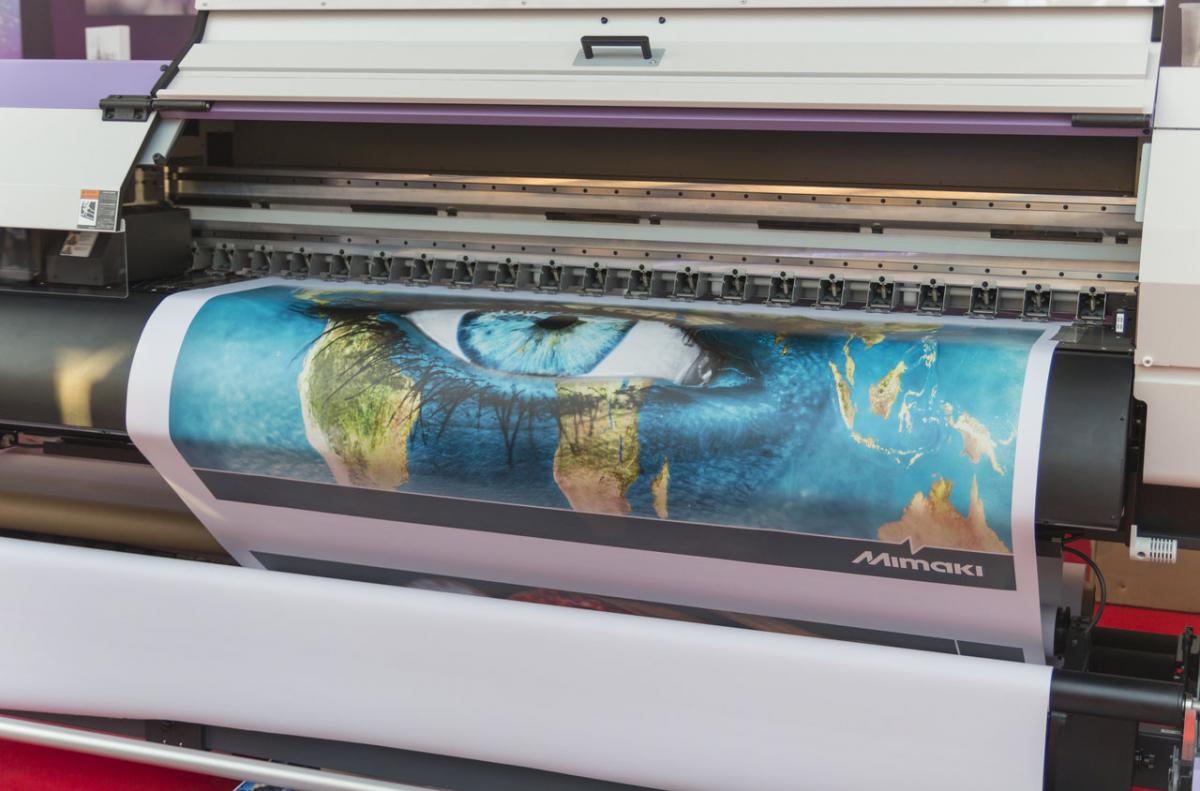 The excellence of output from modern industrial UV printers is furthermore a major step up. Unlike past methods, UV printing dries the ink instantly using light lamps. This produces a feel that is embossed and resistant to wear. Hues are remarkably luminous and true-to-life. Lettering can be sharp down to tiny scales. Moreover, the power to print opaque ink beneath color pictures on transparent or colored materials is a enormous benefit. That makes it possible for businesses to create elegant packaging that differentiates on a competitive shelf. Given these advancements, it is clear why countless industries are making the switch to this proc
One of the largest benefits of DTG is its influence on inventory management. Standard manufacturing commonly forces brands to order in bulk to justify the tooling costs. That contributes to excess inventory and final waste. Employing DTG, you can create exactly the items are requested. This particular “print-on-demand” model lessens the chance of dead stock. Moreover, it enables for rapid iteration of designs. When a image is not sell well, simply swap it with a new one. There is no need to dispose of thousands of pre-printed shirts. Such agility is a tactical weapon for contemporary retail
The toughness of UV cured inks is another critical positive. After cured, the ink forms a hard polymer film that is very immune to scratching, yellowing, and weather exposures. For those who have any kind of issues regarding in which and also how to use UV printing on corrugated plastic, you are able to contact us on our internet site. This makes UV flatbed prints suitable for indoor and outdoor installations. Displays that are positioned in harsh sunlight, such as storefront signs, large format, or wayfinding kiosks, maintain their brightness for a long time. Furthermore, the chemical resistance of UV inks implies that maintenance the decorated surface is easy, lacking the danger of harm the graphic. This particular durability reduces the lifecycle cost for end-users, as replacements are required less regularly. Therefore, the ROI for acquiring a UV flatbed printer is strong. Numerous companies share that their first investment is paid back within months due to increased production and reduced external vendor costs. As an illustration, a shop that formerly sent out all hard substrate printing can now bring that work in-house, saving on fees and freight expen
Primarily, one of the most significant advantages of UV flatbed printing is its impressive material compatibility. Traditionally, if a sign shop wanted to print on stiff materials like acrylic, sheet, or foam board, they often needed to use screen printing or outsource the job. Currently, a individual UV flatbed printer can process everything from slim vinyl to thick timber panels. That versatility implies that sign makers can take a wider variety of tasks without committing in multiple different systems. Besides, the talent to print on uneven surfaces, like canvas or scratched metal, creates new creative possibilities. For instance, a firm can produce a billboard that resembles a hand-painted finish directly on a material that is durable. Obviously, this function lowers the need for sealing or finishing steps, preserving both time and money. Additionally, the paint itself is cured immediately by UV light, signifying that outputted pieces can be touched and installed without delay. That speed is a revolution in the quick-moving world of business sign
Furthermore, the pace of UV flatbed printing significantly enhances turnaround times. Given that the UV lamps fix the ink right away after application, the printed piece is prepared for assembly and mounting straight off the printer bed. This eliminates the bottleneck of anticipating for solvents to dissipate, which is a common issue with latex technologies. Consequently, sign shops can fulfill emergency orders efficiently. Additionally, the power to produce multiple layers in a one pass allows for unique effects like raised text or physical graphics. This contributes a physical dimension to graphics that captures attention. In addition, the merging of CMYK+W is a revolutionary tool. It allows printing on dark substrates, producing vibrant images that stand out without displaying the underlying material color. For instance, a charcoal acrylic panel can be printed with a full-color graphic using a white layer, resulting in a eye-catching look that is truly impossible with traditional meth